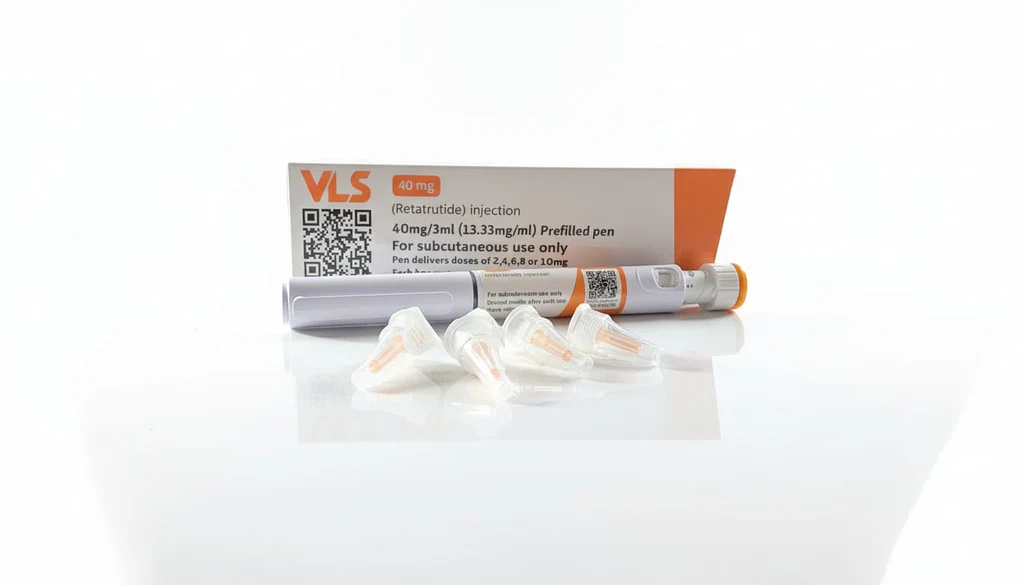
VLS Retatrutide 40mg in Europe and the Netherlands: Research, Science, and Metabolic Insights
Introduction
VLS Retatrutide 40mg is a term commonly associated with emerging research in metabolic science and multi-receptor agonist compounds. Across Europe and particularly in the Netherlands, interest in this class of investigational molecules has increased due to growing scientific focus on obesity, glucose regulation, and energy metabolism.
Retatrutide-based research compounds are being studied for their potential ability to influence multiple metabolic pathways simultaneously, making them a key topic in modern endocrinology and pharmaceutical research.
This article provides a structured, SEO-optimized overview of VLS Retatrutide 40mg, including its mechanism, scientific relevance, European research interest, and regulatory status.
What Is VLS Retatrutide 40mg?
VLS Retatrutide 40mg is typically referenced in the context of investigational metabolic peptide research. It is associated with multi-agonist compounds designed to interact with several hormone receptors involved in metabolic regulation.
These include:
- GLP-1 (Glucagon-Like Peptide-1) receptor pathways
- GIP (Glucose-dependent Insulinotropic Polypeptide) pathways
- Glucagon receptor pathways
Metabolic effect=f(GLP-1+GIP+Glucagon signaling)\text{Metabolic effect} = f(\text{GLP-1} + \text{GIP} + \text{Glucagon signaling})
This multi-receptor approach is being studied for its potential to regulate appetite, glucose metabolism, and energy expenditure more broadly than single-target therapies.
How Retatrutide-Class Compounds Work
Research into Retatrutide focuses on its interaction with multiple biological systems involved in metabolism.
Appetite Regulation
GLP-1 receptor signaling is linked to satiety pathways in the brain, influencing hunger perception and food intake behavior.
Glucose Control
GIP and GLP-1 pathways contribute to insulin secretion and glucose homeostasis, making them important targets in metabolic research.
Energy Expenditure
Glucagon receptor activity is being studied for its potential role in energy utilization and lipid metabolism.
Why Europe and the Netherlands Are Interested
The Netherlands and wider European region are active centers for biomedical and metabolic research. Interest in VLS Retatrutide 40mg is driven by several key factors:
- Rising prevalence of obesity and metabolic disorders
- Strong EU clinical trial infrastructure
- Advanced academic research in endocrinology
- Growth of GLP-1 receptor agonist studies
- Innovation in multi-agonist metabolic therapies
European institutions often participate in early-phase clinical studies focused on safety, mechanism of action, and metabolic outcomes.
Regulatory Status in the EU and Netherlands
In the European Union, including the Netherlands, pharmaceutical compounds must pass strict evaluation by regulatory authorities such as the European Medicines Agency (EMA).
Current status:
- Not approved for general medical use in the EU
- Classified as investigational in clinical research settings
- Only accessible through controlled clinical trials
- Still under evaluation for safety and efficacy
This regulatory framework ensures that any future approved therapy meets strict safety and scientific standards.
Clinical Research Focus Areas
Research involving Retatrutide-class compounds typically examines:
- Body weight changes in controlled environments
- Blood glucose and insulin response
- Cardiovascular safety markers
- Gastrointestinal tolerance
- Long-term metabolic effects
Early research has shown promising biological activity, but long-term clinical validation is still ongoing.
Safety and Scientific Considerations
Because VLS Retatrutide 40mg is part of an investigational research category, several considerations apply:
- Long-term safety data is not yet fully established
- Dosing protocols are not standardized outside research settings
- Individual metabolic responses may vary
- Use is restricted to regulated scientific environments
Researchers emphasize controlled clinical evaluation before broader conclusions can be drawn.
Future Outlook in Europe
The future of Retatrutide-based therapies in Europe depends on ongoing clinical trials and regulatory review processes.
If validated through research, potential applications may include:
- Obesity management strategies
- Type 2 diabetes treatment frameworks
- Broader metabolic health interventions
Europe’s regulatory system ensures that any approved therapy is supported by strong clinical evidence and long-term safety data.
Conclusion
VLS Retatrutide 40mg represents an evolving area of metabolic research gaining attention across the Netherlands and Europe. Its multi-receptor mechanism is part of a broader shift toward advanced therapies targeting complex metabolic disorders.
However, it remains investigational, and its future clinical role will depend on continued scientific research and regulatory evaluation.

Reviews
There are no reviews yet.